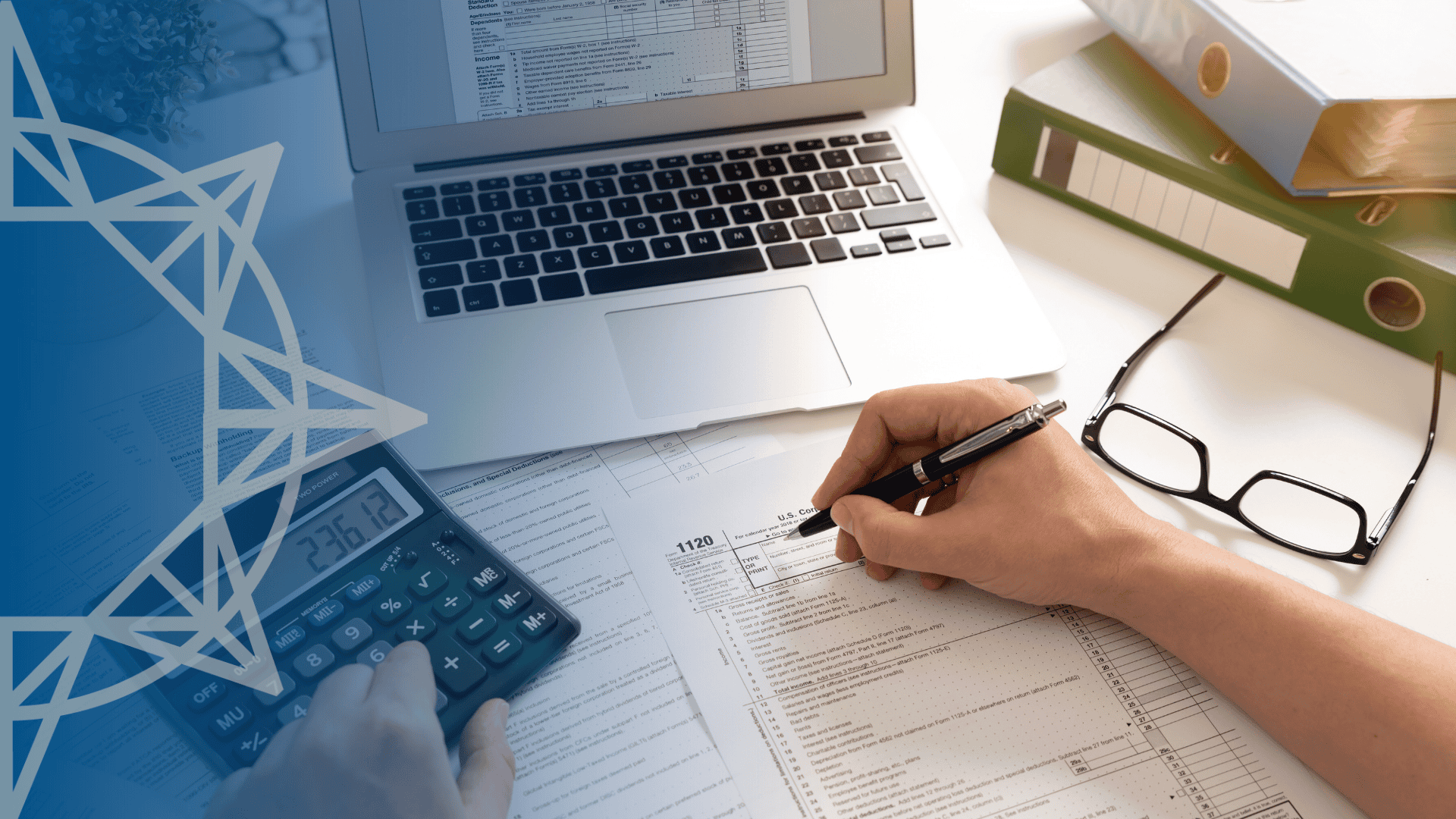
Year-round tax planning can help taxpayers stay organized, understand how changes in their lives or income may affect their taxes, and prepare for filing season. Steps as simple as checking your withholdings, organizing your records, and utilizing IRS online tools can help ensure the upcoming tax filing season is as smooth as possible. Here’s what you can do now to prepare for next year.
Check withholding and estimated tax payments
Federal income taxes are generally paid throughout the year as income is earned. Taxpayers can use the Tax Withholding Estimator on IRS.gov to check whether they are having the right amount of federal income withheld from their pay. They should also discuss their situation with their tax advisor. Taxpayers should consider reviewing withholding after a major life or income change, including marriage, divorce, the birth or adoption of a child, or a job change. Taxpayers who need to adjust withholding should submit a new Form W-4, Employee’s Withholding Certificate to their employer.
Taxpayers with income not subject to withholding, including small business owners, self-employed taxpayers, and gig economy workers, may need to make quarterly estimated tax payments. Life events may also affect filing status, eligibility for tax credits and deductions, and the amount of tax owed or refunded. Reviewing these changes before filing season can help taxpayers understand how they may affect their federal income tax return.
Take advantage of IRS online tools
Taxpayers can securely access their tax information and complete many routine tasks through IRS Individual Online Account. Depending on their account, taxpayers can use IRS Individual Online Account to:
- View balance information
- Make and view payments
- Review payment plans
- View certain IRS notices and letters
- Access certain tax records
- Request an Identity Protection PIN
Taxpayers can visit IRS.gov/Tools for resources to check refund status, find tax records and transcripts, explore free tax preparation options, and get information about tax credits, deductions, and filing status.
Get organized now for a smoother filing season
Good recordkeeping is one of the easiest ways to get ready for filing season. Taxpayers should develop a simple system to keep important tax records together as they receive them. Records may include:
- Forms W-2 from employers.
- Forms 1099 from banks and other payers.
- Records of digital asset transactions.
- A copy of last year’s federal and state returns.
- Bank account and routing numbers for direct deposit or payments.
- IRS notices, letters, and other correspondence.
- Records that support credits, deductions, or other tax benefits claimed.
Organized records can make return preparation easier and may help taxpayers identify overlooked credits or deductions.
Stay alert to scams
The IRS and its Security Summit partners remind taxpayers to protect their personal and financial information. Scammers may use email, text messages, phone calls, or social media to try to steal information or money. Taxpayers should not click on links or open attachments in unexpected messages claiming to be from the IRS. Suspicious emails and texts can be reported to [email protected]. Taxpayers can also use IRS.gov/submitatip to report certain tax-related misconduct.
Final thoughts
As you prepare for the upcoming tax filing season, dedicating some time to preparation may help the season go smoother. If you would like assistance or have questions, our tax team is here to help. Contact us using the form on this page for guidance based on your situation.
© 2026