Recent News & Blog / 10 Mistakes You May be Making in QuickBooks Online
March 2, 2026
We often review what you should be doing in QuickBooks Online. Here are ten things you shouldn’t do.
By now, you’re likely well into your 2026 accounting work. If you’re newer to the QuickBooks Online site, you may be struggling a bit, but even seasoned users can run into snags at times! QuickBooks Online is very flexible and feature-rich but make sure that you’re not overlooking critical chores or taking actions that may scramble your books.
We all tend to stick with the way we’ve always done things, but it’s often good practice to take a step back and look at what you could be doing better—and what you’re not doing. If you find yourself making mistakes in QuickBooks Online that can be easily avoided, it may be time to course correct. Here are ten common mistakes—and how to resolve them.
1. Deleting personal transactions
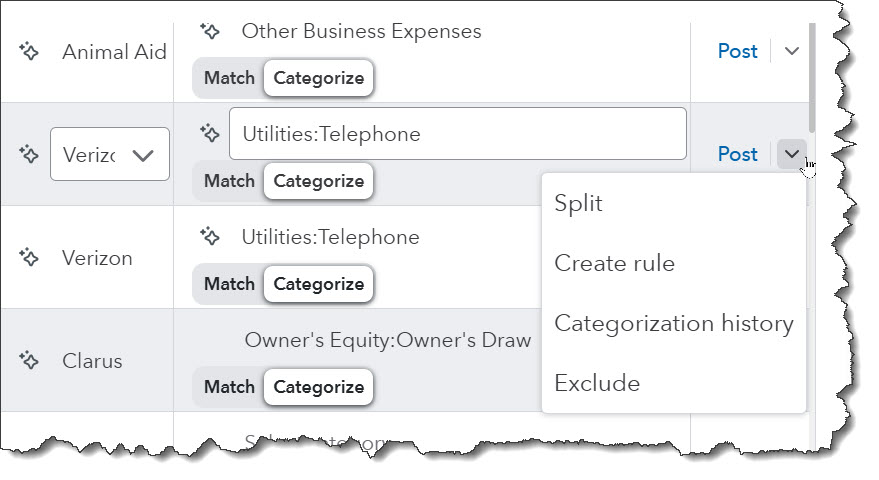
If the financial transactions you import into QuickBooks Online are a mix of business and personal, don’t just delete the personal ones. This will cause problems with tax preparation and compliance since they’re a part of your bank statements. Instead, leave them there and categorize them as Owner’s Draw or Owner’s Contribution, two sub-accounts located under Owner’s Equity in the Category list.
The best solution is to have separate checking and credit/debit card accounts for your business transactions and the additional bank fees are often well-worth it.
2. Creating excessive categories
QuickBooks Online allows you to create new categories. While this can be a good thing, it can also cause confusion. For example, you may have categories for Office Supplies and Miscellaneous Supplies. To deal with this, you could combine categories, rename any unclear ones, or delete unneeded ones.
It’s very important to have a clean set of categories. We don’t recommend changing the default list a lot, but at times, it can be necessary.
3. Not managing the Undeposited Funds account
You likely have incoming payments routed to your Undeposited Funds (or Payments to Deposit) account. You should be checking this account regularly to see if you need to set up a deposit. Not doing so can cause duplicate payments and incorrect bank deposits.
4. Classifying transactions incorrectly
It will take some extra time, but your records, reports, and tax filings will not be accurate unless you always assign transactions to the correct categories and accounts. For example, a loan repayment should not be classified as an expense, but rather split to reflect the principal and interest. If you run into issues here, please let us know.
5. Neglecting to process open invoices and/or overdue bills
Open invoices and overdue bills should be addressed as soon as you possibly can. Besides creating problems with your vendors and customers, neglecting these items will make it nearly impossible to have an accurate picture of your cash flow.
6. Not documenting purchases well enough
This is especially critical for large purchases. Even if you enter and categorize these items correctly in QuickBooks Online, you may not remember later what you bought—and that can mean trouble come tax preparation time or if you’re ever audited. The site offers two ways to create a reminder when you fill in an expense form. You can add Notes at the bottom of the transaction and/or Add attachment. You could do the same if the expense came in as an imported bank transaction.
7. Not defining rules carefully enough
Creating rules for managing similar transactions can save time. However, if you’re going to use them, make sure you’re setting them up so that they only affect the transactions you’re targeting. Always use the Test rule button.
8. Not reconciling accounts
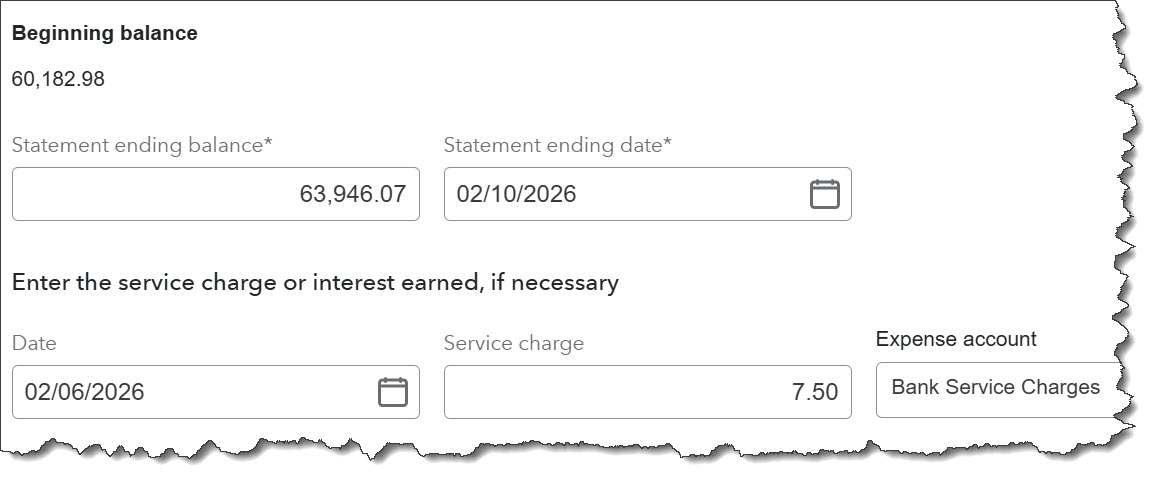
You likely already know how important it is to reconcile your accounts, but it can be overwhelming and time-consuming to take on this detailed work. QuickBooks Online makes this task much easier than the old paper statement and checkbook register method. However, doing it incorrectly is worse than not doing it at all. Please reach out to us if you need help with this task.
9. Not using the Class and Location options
While this isn’t necessarily a mistake—and may not be overly useful to you depending on the size and complexity of your business—QuickBooks Online allows you to group related data in your transactions. You can use Classes, for example, to isolate segments like product lines or departments. Locations, of course, can define individual stores or geographical areas. To set these up, click the gear icon and go to Lists | All lists | Locations or Classes.
10. Not using the best QuickBooks Online version for you
QuickBooks Online comes in multiple versions to accommodate the many differences in U.S. small businesses. If you find that the version you’re using is not doing everything you need, please contact us to discuss upgrading.
Final thoughts
Accounting has many moving parts, and we certainly understand how mistakes happen. Please contact us if you’re struggling with completing tasks correctly in QuickBooks Online. We can help with training and can even take over some of your bookkeeping tasks if you’re overwhelmed. Save the date for May 14th, 2026, when we will be hosting a QuickBooks Users Group interactive training at Wyndham Gettysburg. Registration will be coming soon. Learn more here!
Reminder
Don’t forget that QuickBooks Desktop will be sunsetting in May of 2027, making now an important time to switch over to QuickBooks Online if you haven’t already. Please reach out to us to schedule a consultation to learn more.